Digestion takes a lot of energy. When your body doesn’t produce enough enzymes, even the healthiest meals may leave you feeling bloated, gassy, or sluggish. Digestive enzymes are essential to supporting digestion. They are proteins produced and released by the gastrointestinal system that break down food into very small, short pieces for nutrient absorption. There are three primary digestive enzymes to break down the macronutrients — fat, protein, and carbohydrates — that we eat daily:
- Amylase breaks down carbohydrates (carbs)
- Protease breaks down proteins
- Lipase breaks down fats
While your body produces digestive enzymes on its own, with age, the production of many pancreatic enzymes declines1 and this can aggravate occasional digestive discomfort. Beyond what our body can produce, it is important to include certain foods that are naturally rich in enzymes for additional support. Tropical fruits like pineapple, papaya2 and fermented foods3 like kefir and kimchi are good natural sources of enzymes. Tropical fruits like pineapple and papaya, along with fermented foods like kefir and kimchi, are great natural sources of digestive enzymes. Keep in mind that high heat destroys these enzymes, so eating these foods raw is essential to preserve their digestive benefits.
The Big Three: Understanding Digestive Enzymes
You may have heard that digestion starts in the mouth, not the stomach. But have you ever wondered how? Well, that’s because of digestive enzymes, specifically the enzyme amylase, which is produced and secreted in the mouth in response to even the sight or smell of food. In the stomach, hydrochloric acid (and some enzymes) are the drivers that further break down large pieces of food that chewing did not break down, which is why it is so important to chew thoroughly! Then, as food passes into the small intestine, protease and lipase further support the digestion process by breaking things down into tiny pieces that can be absorbed into our bodies. Let’s briefly break down the role of each enzyme in digestion:
- Amylase is first produced in the mouth (and pancreas) and breaks down complex carbohydrates like whole grains and starches into simpler, more easily absorbed sugars.
- Proteases are produced primarily by the pancreas and support the breakdown of proteins into smaller, more absorbable amino acids and proteins.
- Lipase is mainly produced by the pancreas to break down dietary fats into smaller, more absorbable molecules.
Top 12 Foods High in Natural Digestive Enzymes
1. Pineapple (Bromelain)
Contains a group of proteases called bromelain. Breaks down protein. Great for heavy, meat-based meals. Fun fact: pineapple is a great marinade for meats to help tenderize them.
2. Papaya (Papain)
Contains papain, a protein to help break down proteins. It’s important to choose a ripe papaya and ensure it remains uncooked to get the full benefits.
3. Mango (Amylase)
Contains amylase, which helps break down carbs. As the mango becomes riper, the enzymes become more active. This enzyme breaks down the internal starches within the mango itself to make it sweeter. That’s why it’s important to eat a ripe mango to ensure you get the maximum benefits.
4. Honey (Multiple)
Raw honey contains amylase, protease, diastase, and invertase. These enzymes support the breakdown of carbs and protein. It’s important to consume raw honey. Pasteurized honey has no enzymes.
5. Bananas (Amylase & Glucosidases)
Break down complex carbs into easily absorbed sugars.
6. Avocados (Lipase)
Because avocados are naturally rich in healthy fats, they are also a natural source of lipase to help break down fats.
7. Kefir (Multiple)
A fermented milk drink packed with lipase, protease, and lactase. These help break down the nutrients found in dairy, including fat, protein, and carbs.
8. Sauerkraut (Multiple)
The natural fermentation process creating sauerkraut from cabbage also results in the creation of enzymes to support the breakdown of fats, protein, and carbohydrates.
9. Kimchi (Multiple)
Similar to sauerkraut, the natural fermentation process of creating kimchi also results in the creation of enzymes to support the breakdown of fats, proteins, and carbohydrates.
10. Miso (Multiple)
Similar to both sauerkraut and kimchi. The fermentation of soybeans results in the creation of enzymes to support the breakdown of fats, proteins, and carbohydrates.
11. Kiwifruit (Actinidain)
Contains a protease that helps digest tough proteins. Like pineapple, you can use this to tenderize meat as well.
12. Ginger (Zingibain)
Contains a protein that digests protein and helps move food through the stomach faster.
Raw Foods vs. Cooked Foods: Why Heat Matters
To get the benefits of natural digestive enzymes from food, it’s important to consume the food raw. Enzymes are proteins, and like all proteins, their function depends on their shape. Think of them like a key. When the key is the right shape, it can unlock the door and do exactly what you need it to do. If you heat it up and bend the metal, though, it warps and can no longer work the lock – the metal is still there, but it will no longer work. Enzymes work similarly. They have a specific structure needed to do their job, and when heat damages that structure, they stop functioning. In scientific terms, this is called denaturation.
Food vs. Supplements: Do You Need a Digestive Enzyme Supplement?
Is it ideal to eat foods like raw pineapple, avocados, bananas, kimchi, miso, etc., with every meal to support digestion? Yes, absolutely! But life happens, and that’s not realistic for the average person. Natural aging, stress, diet, and dietary changes, or difficulty digesting certain heavy meals can all affect enzyme production. This is exactly where a supplement can come into play to support digestion.
Broad-spectrum digestive enzyme supplements–containing a blend of lipase, amylase, proteases, and more– offer a convenient way to support digestion. These supplements can be taken with your largest or heaviest meal of the day, before you consume a food that doesn’t agree with you, or with every meal to support digestion.
Support Your Gut Health
Enzymes are essential to breaking down food into smaller molecules for digestion and nutrient absorption. While some people can produce all the enzymes they need naturally, others need additional support from raw foods or supplementation. It’s important to remember that supplements are meant to be just that: a supplement to your diet and not a replacement for healthy eating habits. It's always ideal to chew food thoroughly before swallowing to support digestion and incorporate raw and fermented foods into your daily diet for maximum digestive support.
References:
- Löhr J-M, Panic N, Vujasinovic M, Verbeke CS. (Karolinska University Hospital, Stockholm, Sweden; University Hospital Dr. Dragisa Misovic-Dedinje, Belgrade, Serbia; and University of Oslo, Oslo, Norway). The ageing pancreas: a systematic review of the evidence and analysis of the consequences (Review). J Intern Med 2018; 283: 446–460.
- Kostiuchenko O, Kravchenko N, Markus J, Burleigh S, Fedkiv O, Cao L, Letasiova S, Skibo G, Fåk Hållenius F, Prykhodko O. Effects of Proteases from Pineapple and Papaya on Protein Digestive Capacity and Gut Microbiota in Healthy C57BL/6 Mice and Dose-Manner Response on Mucosal Permeability in Human Reconstructed Intestinal 3D Tissue Model. Metabolites. 2022 Oct 26;12(11):1027. doi: 10.3390/metabo12111027. PMID: 36355110; PMCID: PMC9696696.
- Leeuwendaal NK, Stanton C, O'Toole PW, Beresford TP. Fermented Foods, Health and the Gut Microbiome. Nutrients. 2022 Apr 6;14(7):1527. doi: 10.3390/nu14071527. PMID: 35406140; PMCID: PMC9003261.
DISCLAIMER:
These statements have not been approved by the Food and Drug Administration. These products are not intended to diagnose, treat, cure, or prevent disease.


























































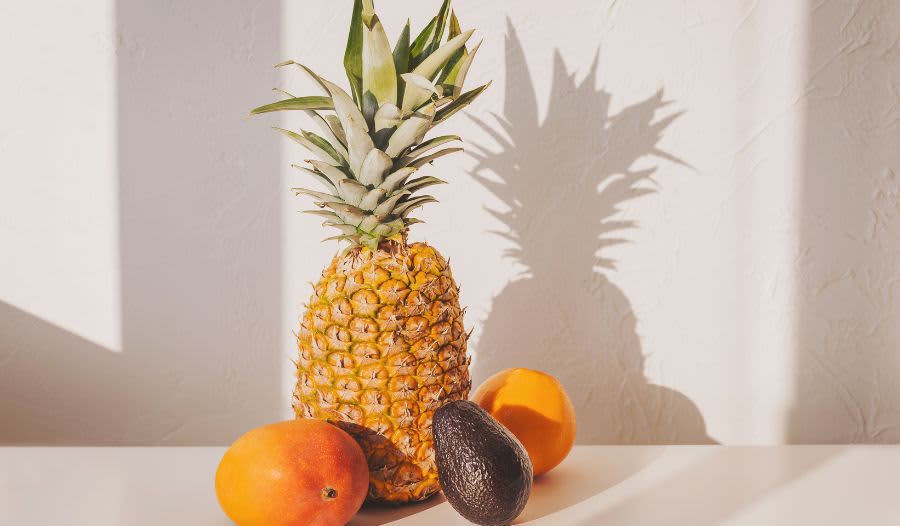
 Table of Contents